
Team Takeaways from AUTM: Reflections from KCV on a Changing Tech Transfer Landscape
- Kentucky Commercialization Ventures

- Apr 1
- 3 min read
Each year, engagement with AUTM, a nonprofit organization focused on technology transfer and research commercialization, provides a real-time view into how the field is evolving and how innovation ecosystems across the country are adapting to new challenges and opportunities.
Over the past year, the team at Kentucky Commercialization Ventures (KCV), an initiative of the Kentucky Science and Technology Corporation (KSTC), participated in AUTM’s annual meeting, regional gatherings and professional development opportunities.


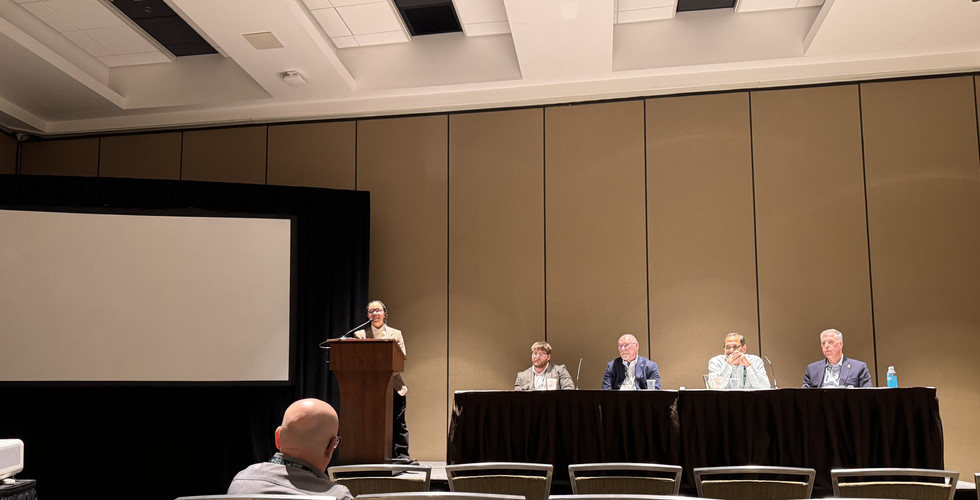
Through these experiences, KCV identified several key takeaways that are shaping how they support innovation across Kentucky.
1. Shared Challenges Across a National Network
While technology transfer often operates within individual institutions, the challenges facing the field are widely shared. Professionals across the country are navigating similar questions around funding, commercialization pathways and institutional support.
While technology transfer can sometimes feel highly localized, many of the challenges we face are shared across institutions, the country and the world. - Tucker Jewell, Licensing & New Ventures Manager
That shared reality is helping reduce silos across the field. Instead of working in isolation, professionals are increasingly learning from one another to understand what is working and where new approaches are needed.
It’s validating to hear that others are adapting to changes in similar ways. - Maranda Russell, Operations Manager
2. Adapting to a Changing Tech Transfer Landscape
Across sessions and conversations, one message was consistent. Technology transfer is changing quickly, and adaptability is critical.
The field is changing. AI, new funding paths and different expectations from founders are shaping how we work. Engagement through AUTM helps us stay current by giving us an opportunity to learn from each other and share ideas and solutions. - Jericho Wilkerson, Senior Licensing & New Ventures Manager
While challenges may be shared, responses are increasingly shaped by local context, institutional strengths and available resources.
“One key insight is the importance of taking an approach grounded in local strengths and needs when building innovation ecosystems,” said Mandy Hensley, Associate Director of Research Enterprise. “The most effective programs start by understanding their own strengths, whether that’s faculty expertise, student talent or connections to local industry.”
For Kentucky, that perspective is especially relevant. Institutions vary widely in size, focus and capacity, making locally grounded strategies essential for long-term success.
Engagement through AUTM allows professionals to learn from peers, benchmark against other programs and hear what is working and what is not, helping teams avoid reinventing the wheel while also opening doors for cross-regional collaboration. - Jewell
3. A People-Centered Approach
Another clear shift KCV observed through AUTM conversations is how success is defined. While traditional metrics remain important, there is growing emphasis on relationships, engagement and early support for innovators.
Success is increasingly shaped by relationships, engagement and early support rather than transactions alone. If we keep investing in people and guidance, we can increase both idea flow and startup success. - Wilkerson
There is also increasing attention on inclusion and broader community impact within innovation ecosystems. “There’s a real opportunity to focus more on access, regional innovation and community outcomes, not just high-growth startups,” said Russell.
These perspectives align closely with KCV’s approach in Kentucky, where relationship-building with institutions and founders is central to strengthening long-term innovation outcomes.
4. Building a Collaborative Tech Transfer Network
While formal programming provides structure and insight, much of AUTM’s value comes from relationships built outside the session rooms.
I am building a list of knowledgeable contacts who are willing to share perspective and help problem-solve as questions arise. - Christy Stanley, Grants Manager
In many cases, those connections continue well beyond the conference itself, evolving into ongoing collaboration and shared problem-solving.
What began as an informal lunch conversation during the conference evolved into a broader discussion on cross-regional collaboration and shared funding opportunities. “What started as a casual lunch ended in two states and two ecosystems coming together in a completely different city to think strategically about future collaboration and funding,” said Hensley.
Those follow-up conversations are where you really learn what others are dealing with and where new ideas start. - Wilkerson
Applying National Insights Across Kentucky's Innovation System
Taken together, KCV’s experiences through AUTM reflect a broader shift within technology transfer. The field is becoming more collaborative, more adaptive and more closely aligned with regional economic and workforce development goals.
For Kentucky, that shift presents an opportunity to continue building systems that are both locally grounded and informed by national perspectives.
By staying engaged with peers across the country while remaining focused on the needs of institutions throughout the commonwealth, KCV continues to strengthen how innovation is supported and advanced across the state.
Our engagement with national organizations helps sharpen how we support innovation across Kentucky. We bring those insights back and apply them in ways that reflect the strengths and needs of each institution we serve. - Kayla Meisner, Executive Director